
Many people thinking about agricultural investment end up with the same question after a bit of research: Why pay someone else to manage the project for me? Wouldn’t it be better to buy the land and manage it myself, and save the percentage they’d take? It’s a perfectly logical question. But answering it takes more than one sentence, because owning and managing land yourself and investing in a project someone else manages are not the same decision, even if both ultimately come down to land and farming.
What Owning the Land Actually Means
When you buy farmland yourself, you’re not just paying for it and calling it done. After the purchase comes a much longer stage: registering ownership and making sure the paperwork is in order, then reclaiming the land if it needs reclamation, choosing the right crop, setting up irrigation, and hiring permanent workers to look after the land year-round, plus seasonal workers at planting and harvest time. And all of that comes before you reach the stage of marketing the crop and selling it at a fair price. Each of these stages takes time and expertise, and needs someone present on the land itself, not following it from afar.
For someone living outside Egypt, or even inside Egypt but busy with their main job, this is a real challenge. The question isn’t only whether the land will succeed. It’s also whether they’ll find the time to manage all of this, and who will step in if a problem comes up while they’re away.
How a Managed Project Is Different
By contrast, when you invest in an agricultural project run by a specialist, you’re stepping into something that already exists: prepared land, a team working on it daily, accumulated farming expertise, and a system for marketing and selling the crop already in place. You’re not starting from scratch and learning while losing time and money to trial and error. It’s a process that runs season after season, with expertise built up before you arrived.
That doesn’t mean you hand over the decision completely. Some projects let you follow up, ask questions, and even visit, without being the one working on the land every day.
The Difference in Time and Risk
The real difference between the two options isn’t the type of asset. It’s who pays the price of time, expertise, and day-to-day risk. When you own and manage it yourself, all of that falls on you, and any mistake in timing or judgment is yours alone to pay for. When you invest in a managed project, the agricultural company running it takes on the daily operational details, and all that’s left to you is the decision to make the investment itself.
The Real Cost of Managing It Yourself
Many people think only about the percentage the agricultural company takes, without calculating the cost of managing it themselves: their time, the early mistakes they learn from at their own expense, the opportunity lost from their main work while they learn farming from scratch, and the risk of making the wrong call in a season where they don’t have enough experience. In many cases, that percentage is the cost of expertise and time you don’t have, not an extra expense with nothing in return.
Before You Choose
There’s no single right answer for everyone. If you have the time, farming expertise, and ability to be on the land yourself almost constantly, owning it could be a sensible choice. If time, expertise, or proximity to the land isn’t available, a managed project bridges that gap for you, without leaving you completely removed from what’s happening with your investment. Ask yourself honestly: Do you have enough time and expertise to follow up on land daily, and are you close enough to act if something unexpected happens?
Nakheel Basseqat
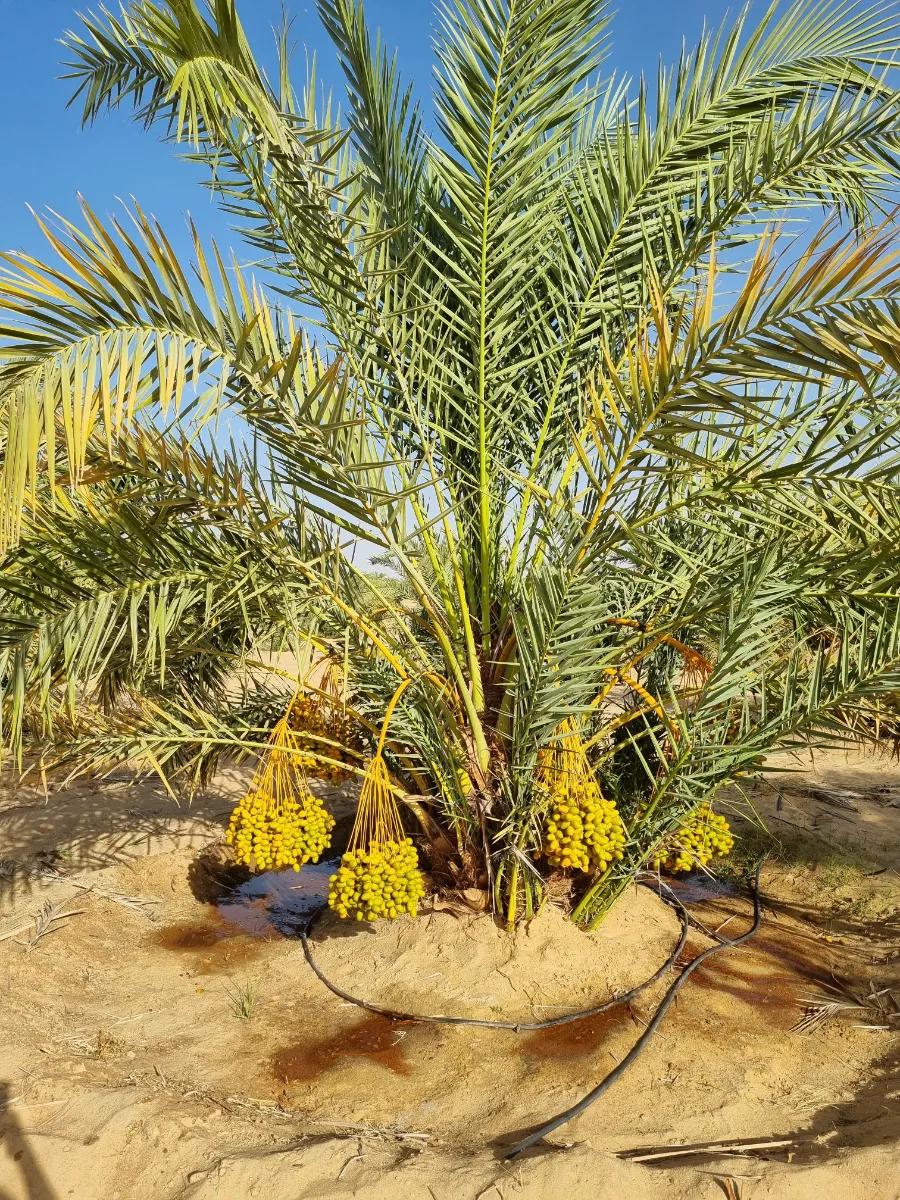
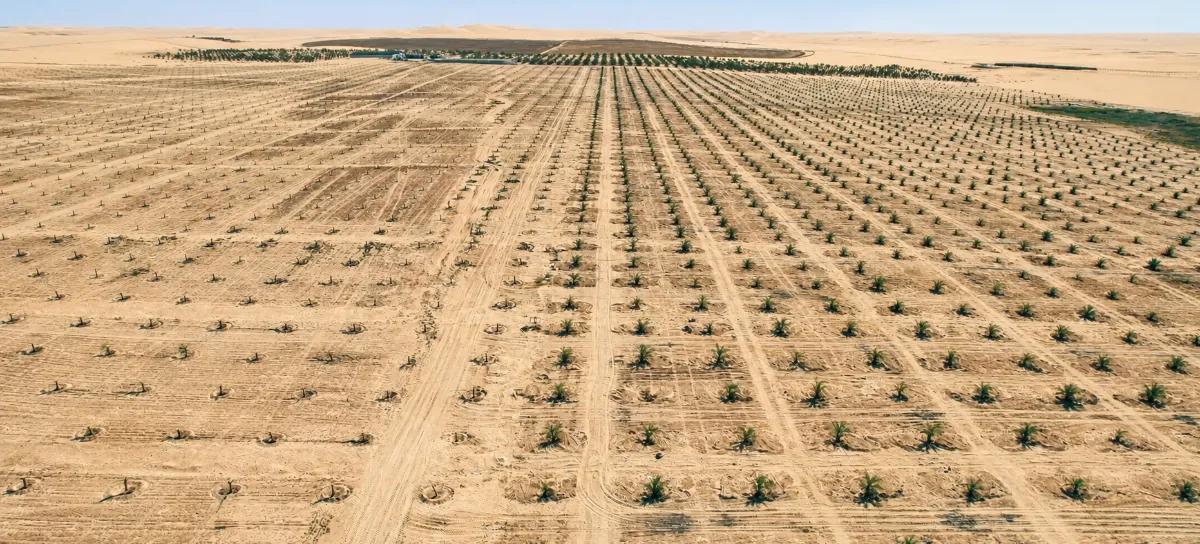
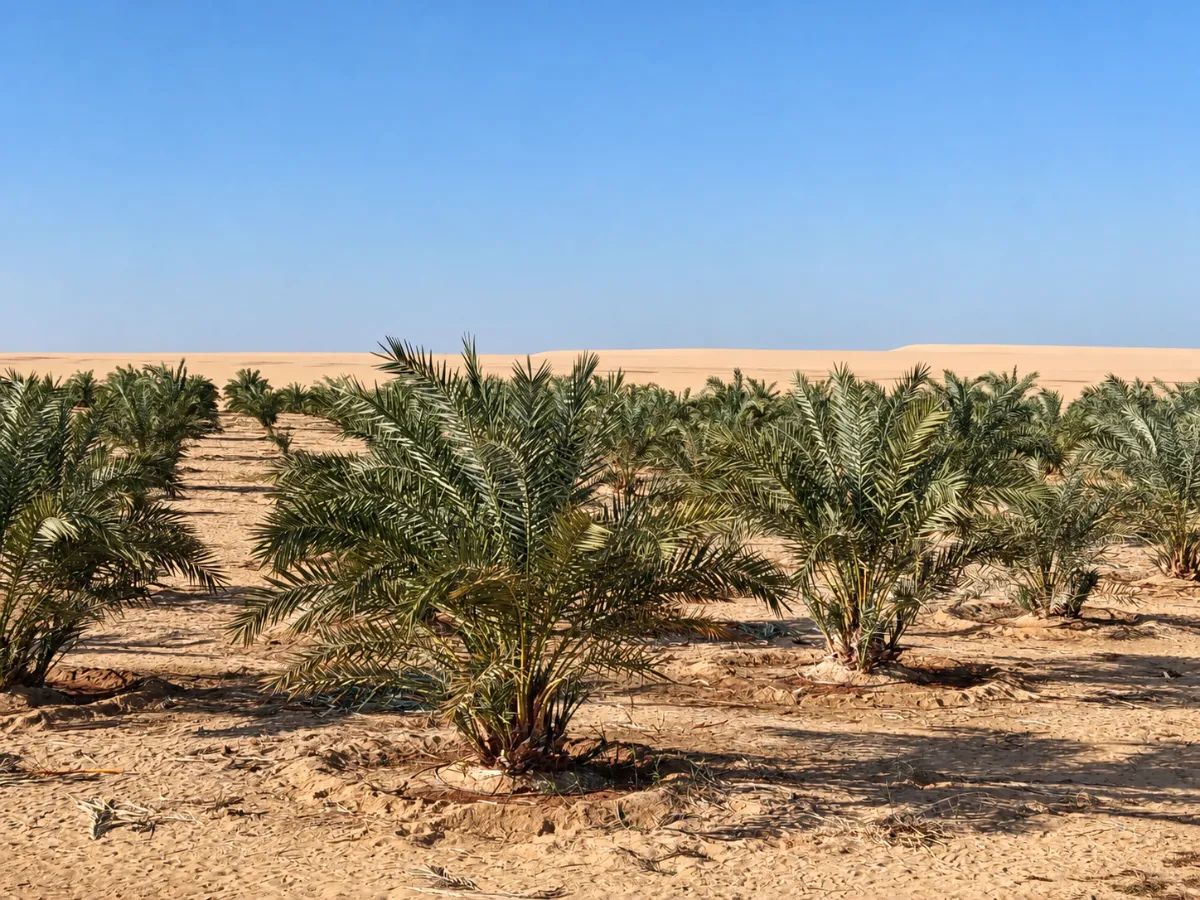
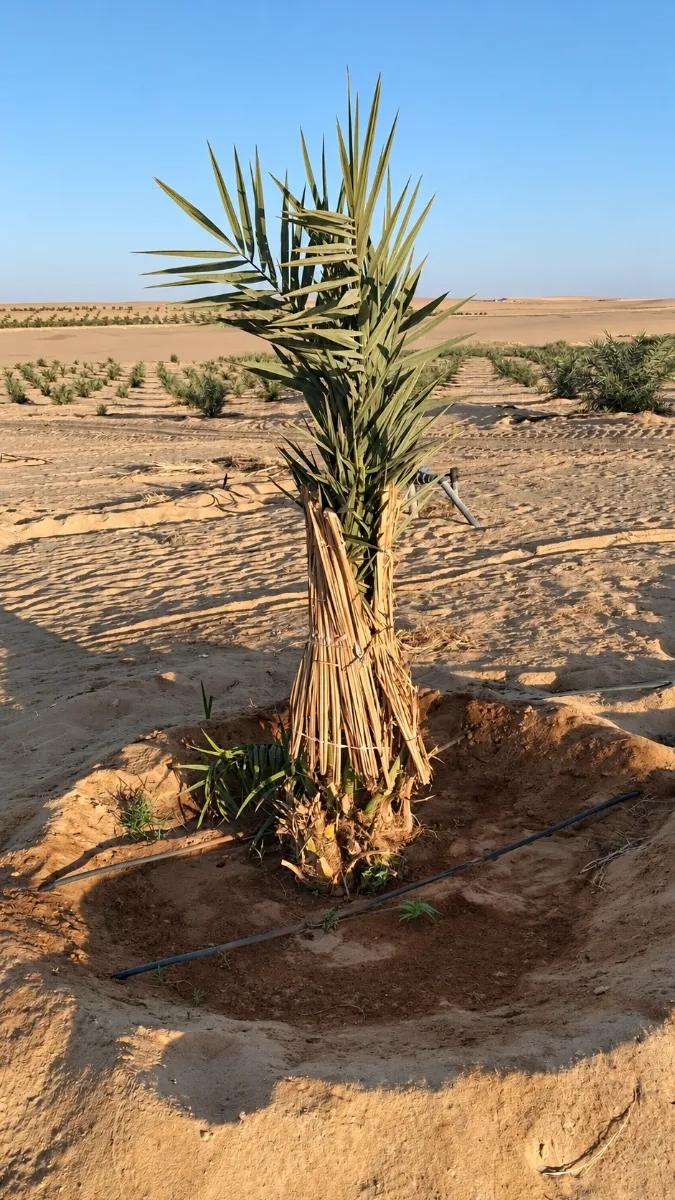
Nakheel Basseqat is a comprehensive agricultural investment project specializing in Medjool palms: we handle planting, care, marketing, and selling the crop from A to Z, and all you do is follow along and verify. We have one thousand feddans in Farafra, and large areas of it are planted with palms every season. If you’d like to know what this difference means for your situation specifically, you can get in touch and we’ll explain, with no pressure.